

Urinalysis is a common part of routine medical screening, and can be used to determine many disorders before symptoms arise. Urinalysis is especially useful in the preliminary screening for diabetes, liver diseases, haemolytic diseases, urogenital, and kidney disorders. Rapid Response™ Urinalysis products aids healthcare professionals and at home users in assessing liver and kidney health.
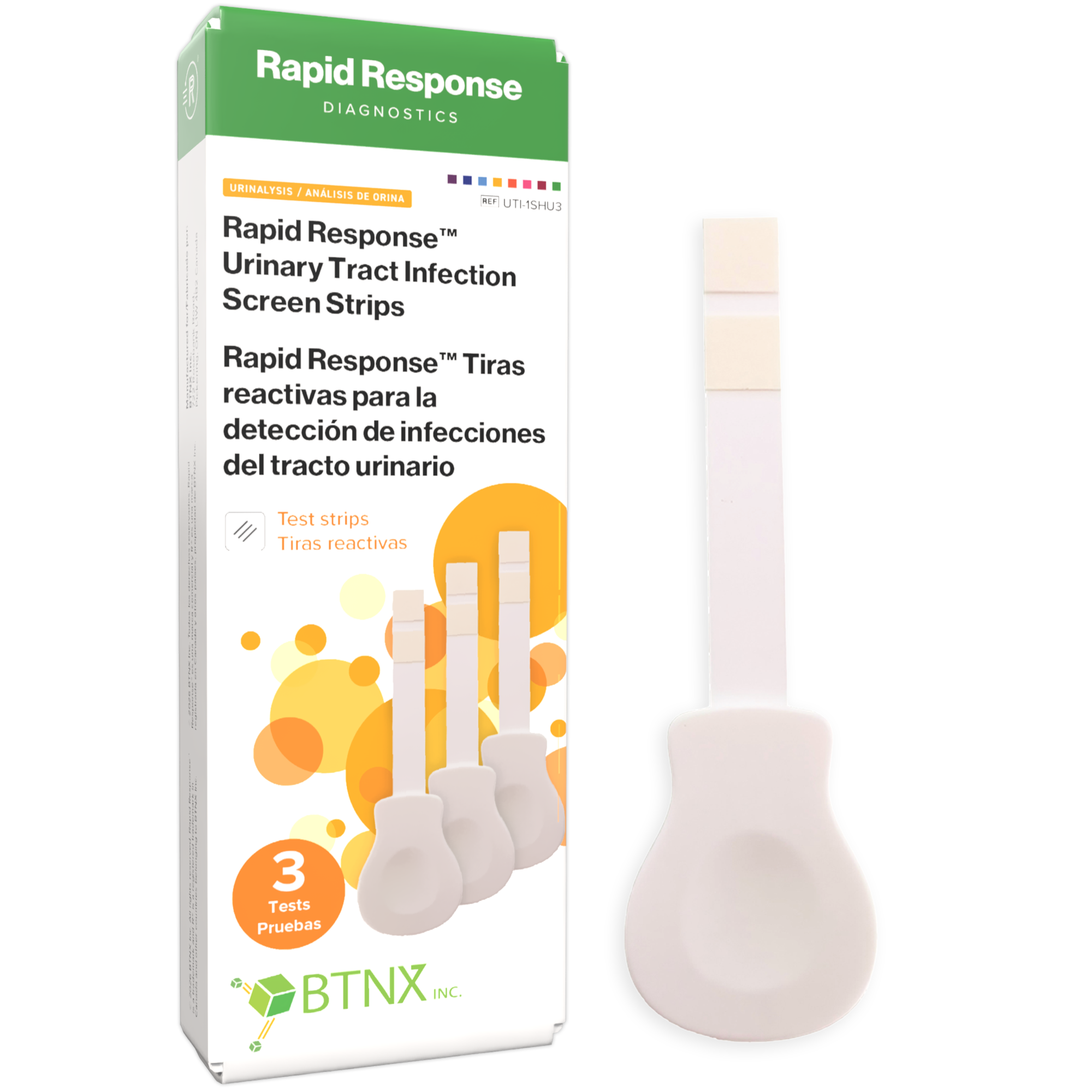
Format: Strip
Kit Size: 3 Tests / Kit
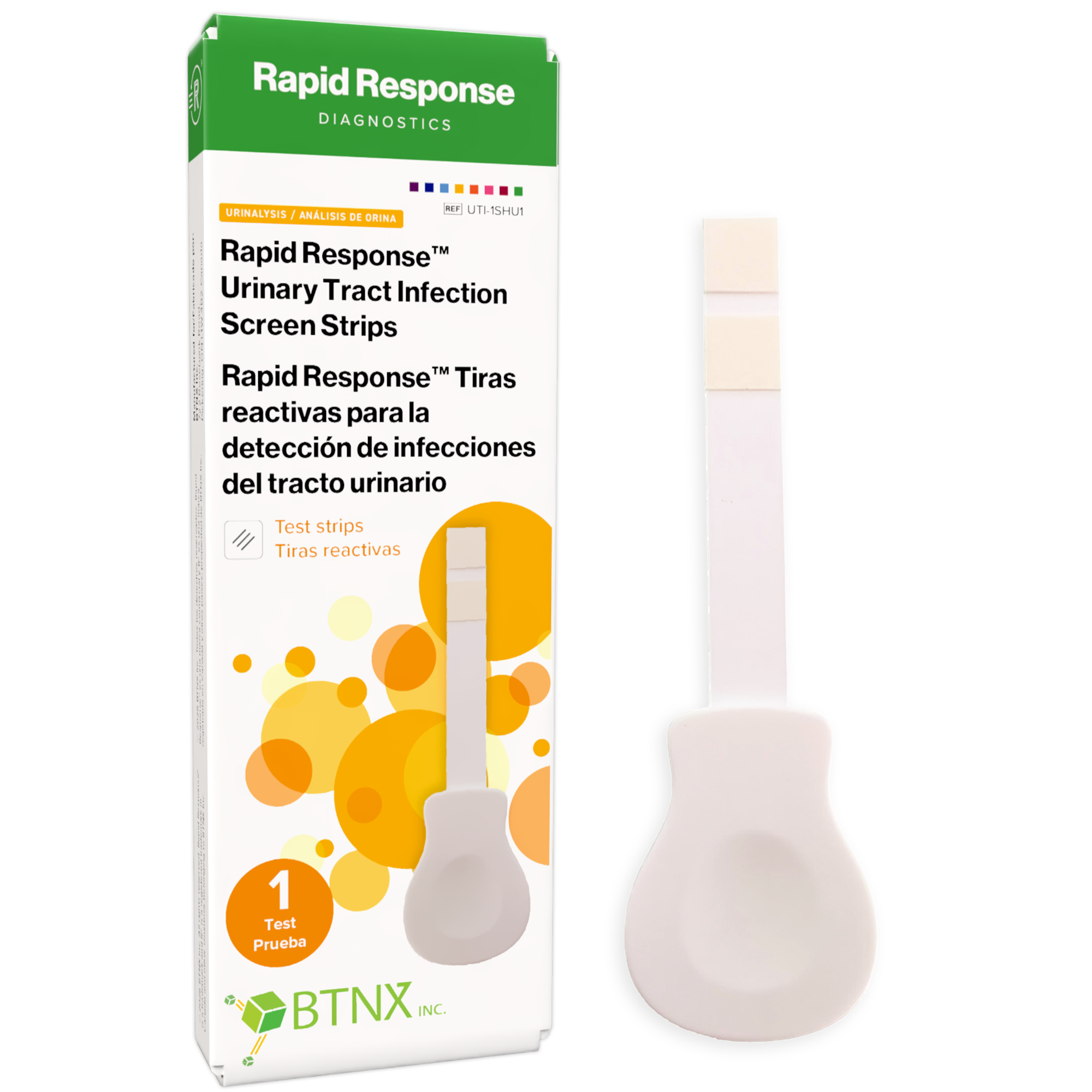
Format: Strip
Kit Size: 1 Test / Kit
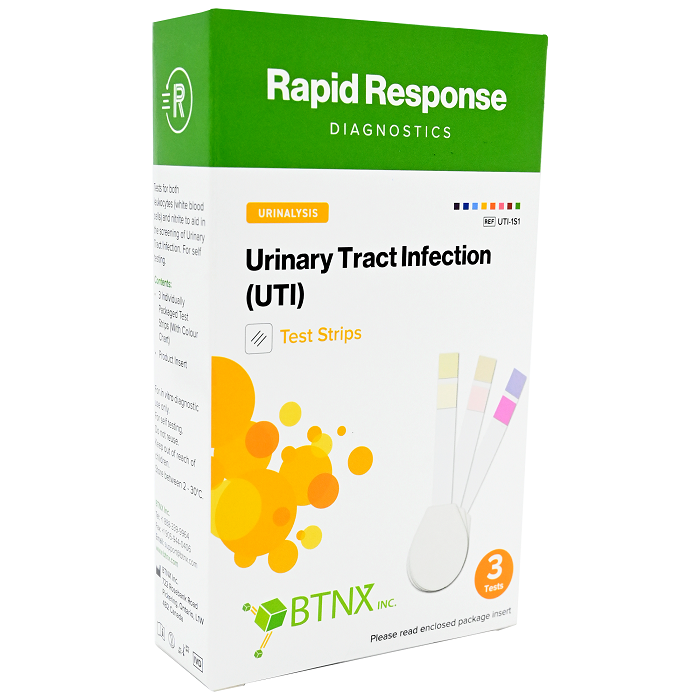
Format: Strip
Kit Size: 3 Tests / Kit
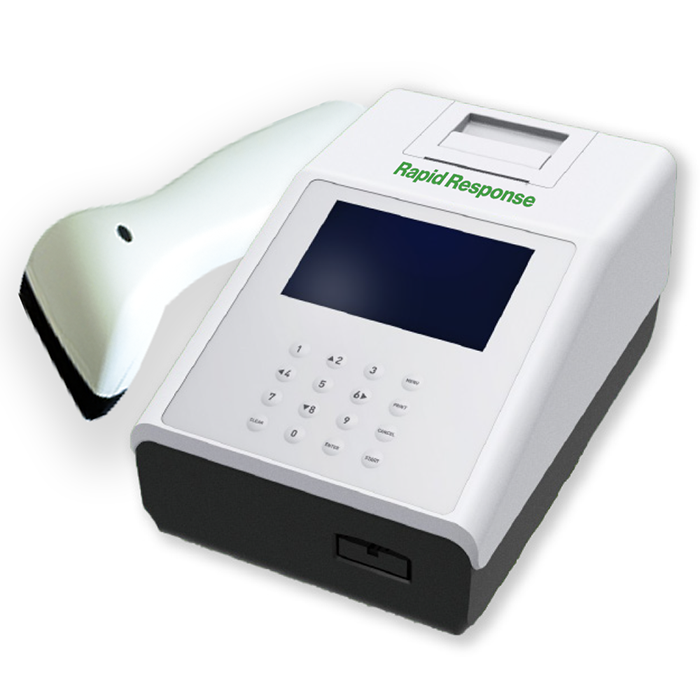
Format: Strip
Kit Size: 1 Unit
Format: Strip
Kit Size: 1 Unit
Format: Strip
Kit Size: 100 Tests / Kit
Format: Strip
Kit Size: 100 Tests / Kit
Format: Strip
Kit Size: 100 Tests / Kit
Format: Strip
Kit Size: 100 Tests / Kit
Format: Strip
Kit Size: 100 Tests / Kit
Format: Strip
Kit Size: 100 Tests / Kit
Format: Strip
Kit Size: 100 Tests / Kit
Format: Strip
Kit Size: 100 Tests / Kit
Format: Strip
Kit Size: 100 Tests / Kit
Format: Strip
Kit Size: 100 Tests / Kit
Format: Strip
Kit Size: 25 Tests / Kit
Format: Strip
Kit Size: 100 Tests / Kit
Format: Strip
Kit Size: 100 Tests / Kit
Format: Strip
Kit Size: 100 Tests / Kit
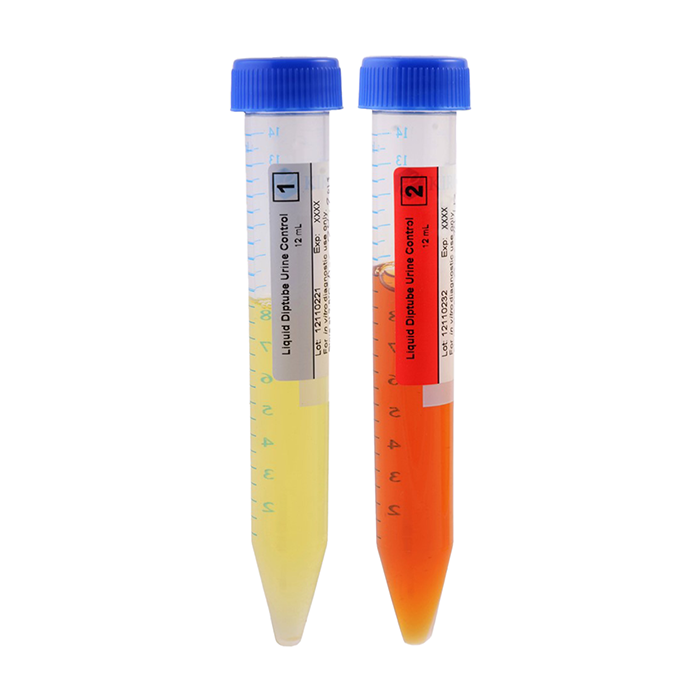
Kit Size: 1 Pair
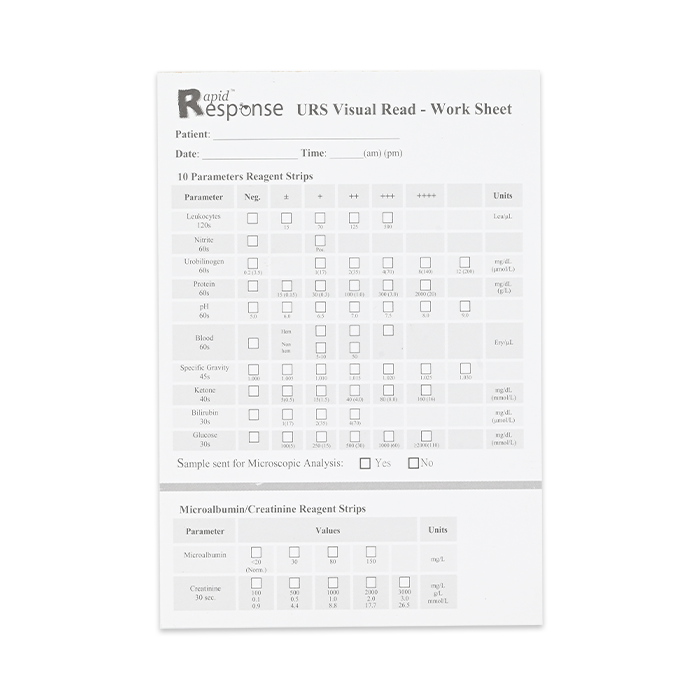
Kit Size: 100 Sheets/Pad
Urinalysis urine tests are a routine and efficient method for identifying a range of health conditions, often before any symptoms appear. These tests provide medical professionals and home users with valuable insights into overall wellness, especially when monitoring for issues related to kidney health, liver function, urinary tract infections (UTIs), metabolic disorders, and more. Using urinalysis kits as part of regular screening can help detect changes in the body early, leading to faster and more targeted care.
With the support of products like Rapid Response™ urinalysis strip test, users can assess multiple health indicators using a single urine sample. These products are designed for both clinical and at-home use and are available as single-strip tests or part of a broader urinalysis panel test. In combination with urinalysis test equipment, these kits offer a practical approach to monitoring ongoing health concerns.
What is a Urine Test?
A urine test, also known as urinalysis, is a diagnostic process where a urine sample is evaluated for its physical, chemical, and microscopic properties. It helps identify substances that should not be present and tracks markers that may point to disease or imbalance. Urine typically shows changes earlier than blood during many illnesses, making urinalysis tests a useful first step in identifying a problem.
Commonly used during routine check-ups, urinalysis urine tests are often recommended to screen for:
-
Diabetes
-
Kidney disorders
-
Liver problems
-
Infections in the urinary system
-
Blood-related conditions (e.g., haemolysis)
Visual comparison is often used to assess urine characteristics such as color, clarity, and presence of chemical indicators using urinalysis strip test tools.
What is a Urinary Tract Infection (UTI)?
A urinary tract infection (UTI) occurs when bacteria enter the urinary system. This system includes the kidneys, ureters, bladder, and urethra. Infections usually start in the lower urinary tract but can spread upward if left unaddressed.
Testing for a UTI is important because untreated infections can move to the kidneys and result in more serious health complications. Early detection using urinalysis kits allows for faster decision-making regarding treatment. Common signs of UTI include:
-
Frequent urge to urinate
-
Pain or burning during urination
-
Cloudy or strong-smelling urine
-
Pelvic pain (especially in women)
Using a urinalysis panel test, healthcare professionals can quickly check for markers like leukocytes or nitrites that may indicate the presence of an infection.
What is a Urine Test Strip?
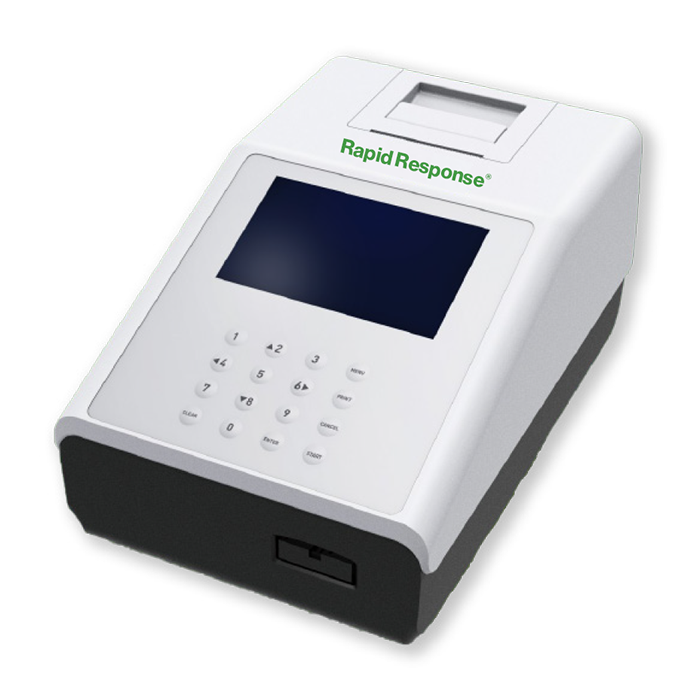
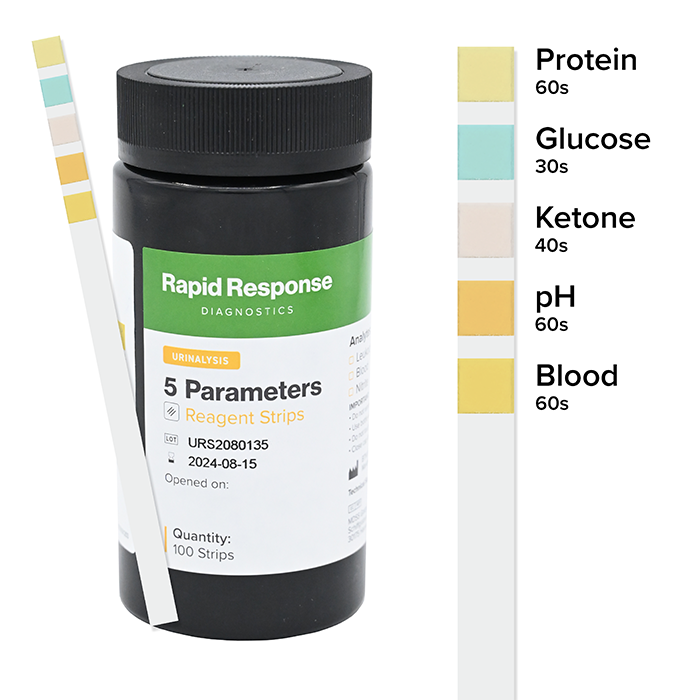
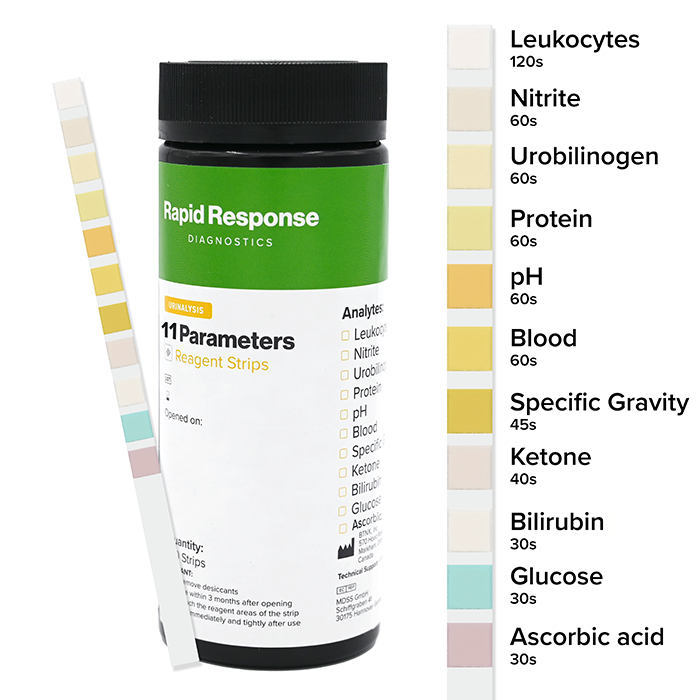
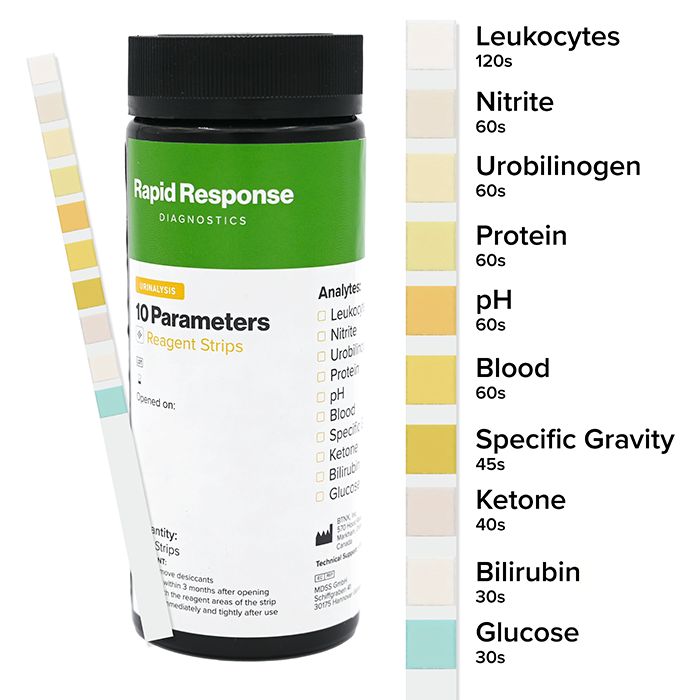
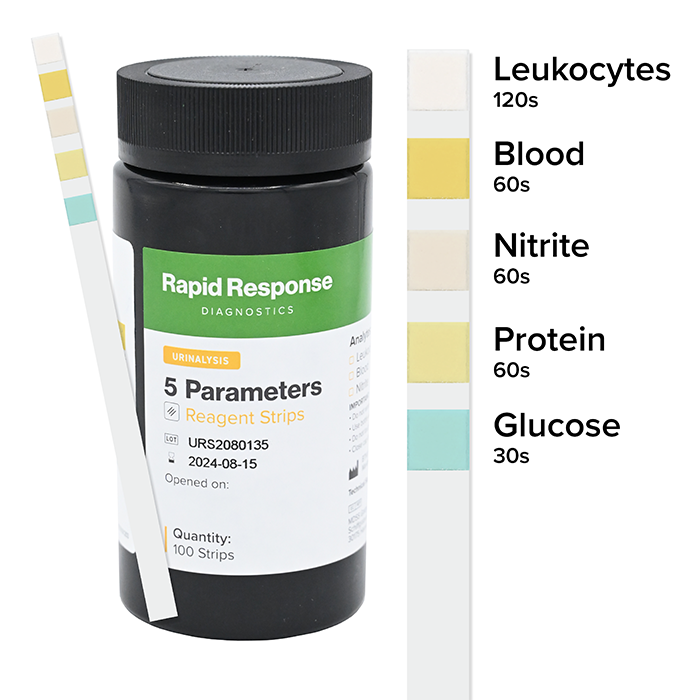
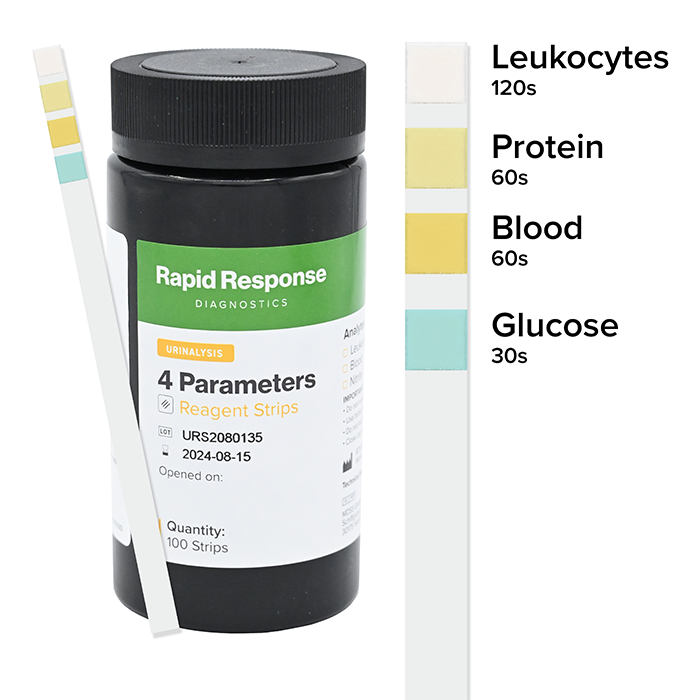
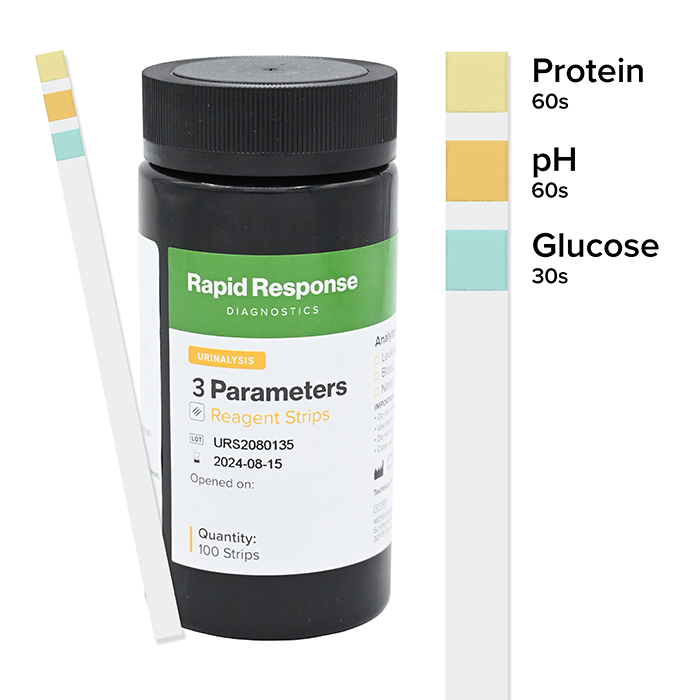
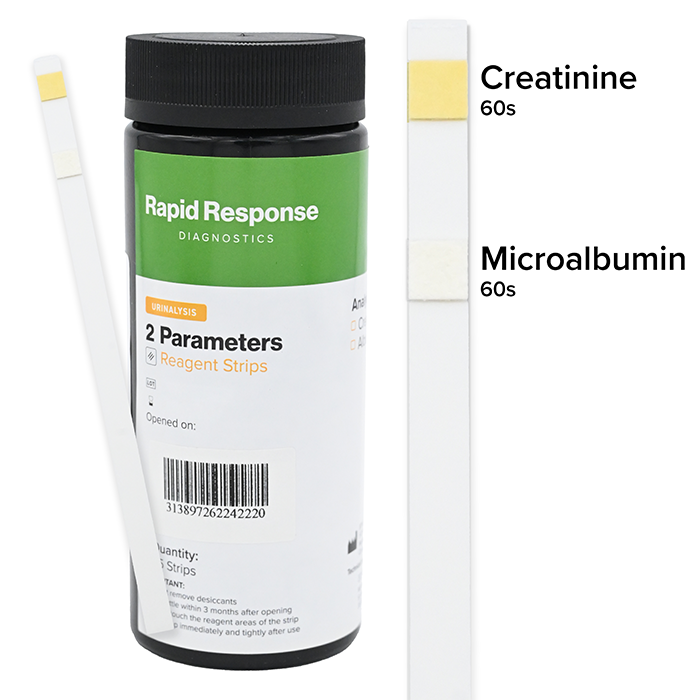
A urinalysis strip test is a plastic strip embedded with chemical pads. Each pad reacts to a different substance found in urine. When dipped into a sample, the color of each pad changes based on the presence and level of certain analytes. Results can be interpreted visually using a color chart or analyzed using urinalysis test equipment like the Rapid Response U121S Urine Analyzer.
These urinalysis kits test for the presence or levels of the following substances:
-
Albumin
-
Creatinine
-
Glucose
-
Ketones
-
Protein
-
pH levels
-
Bilirubin
-
Urobilinogen
-
Blood
-
Leukocytes
-
Nitrite
-
Ascorbic Acid
-
Specific Gravity
Each of these analytes can point to specific health conditions. For example, glucose may indicate uncontrolled diabetes, while protein in the urine can suggest kidney damage. These insights are often used alongside other clinical data to determine next steps, including further lab testing or treatment adjustments.
What Can Urinalysis Tests Detect?
Urinalysis tests can detect a wide range of health conditions. The results can vary depending on what analyte is being measured. Here are some conditions that can be identified or suspected based on abnormal urinalysis findings:
-
Kidney disease = protein, albumin, or creatinine changes
-
UTIs = positive leukocyte or nitrite readings
-
Diabetes = glucose and ketone presence
-
Liver issues = bilirubin or urobilinogen abnormalities
-
Hematuria or bleeding = presence of blood in urine
-
Metabolic issues = abnormal pH or ketones
Not every abnormal result indicates a serious issue. Factors like exercise, diet, hydration, or menstruation can temporarily affect urine composition. Repeated abnormal results may require further investigation through additional tests.
About the Results & Interpreting Results
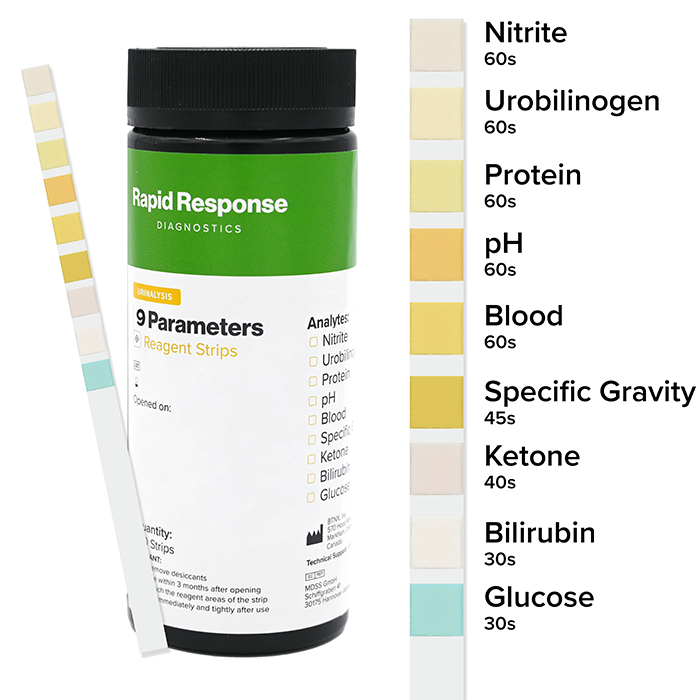
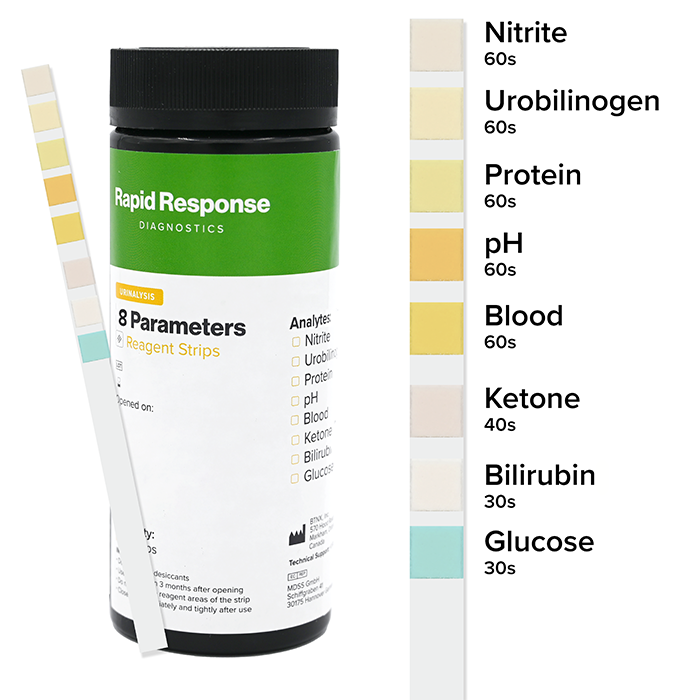
Ascorbic Acid (ASC) – 30 Seconds
Detects levels as low as 5–10 mg/dL. Daily dietary intake can lead to normal excretion in this range. High doses of vitamin C may elevate this level up to 200 mg/dL.
Expected result: Within normal dietary range or negative
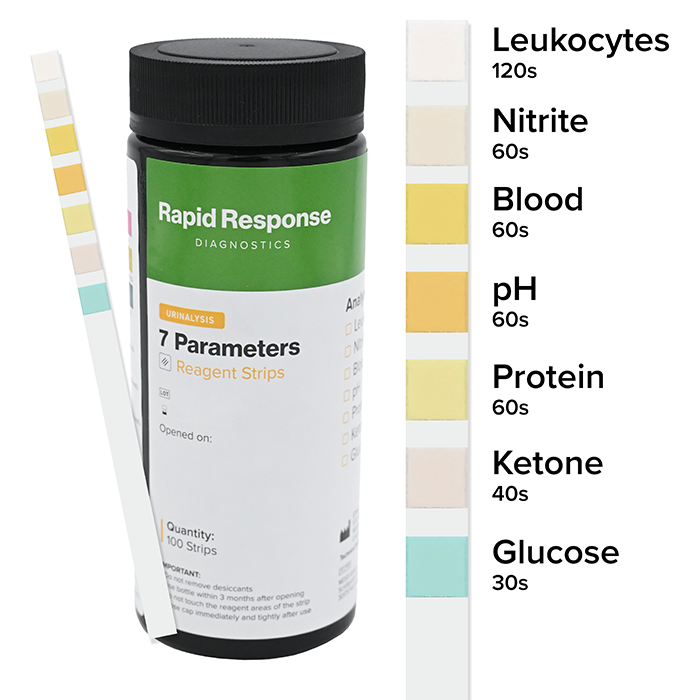
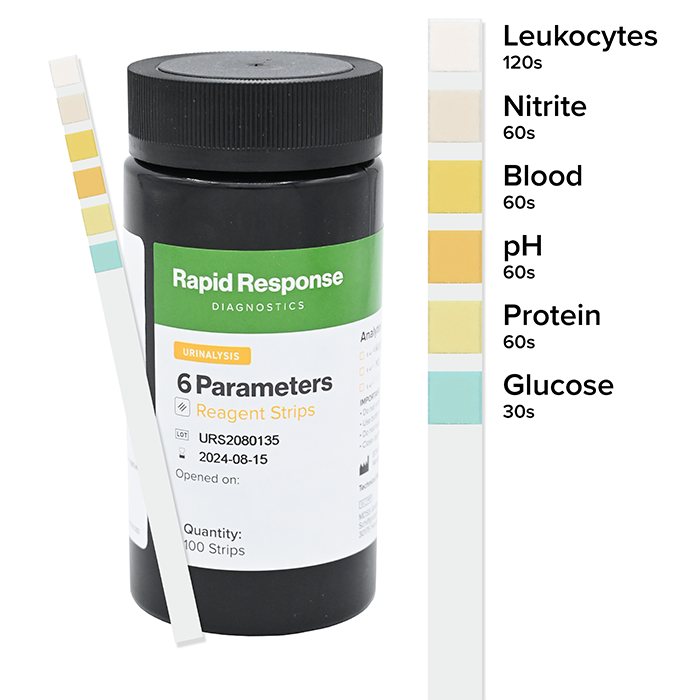
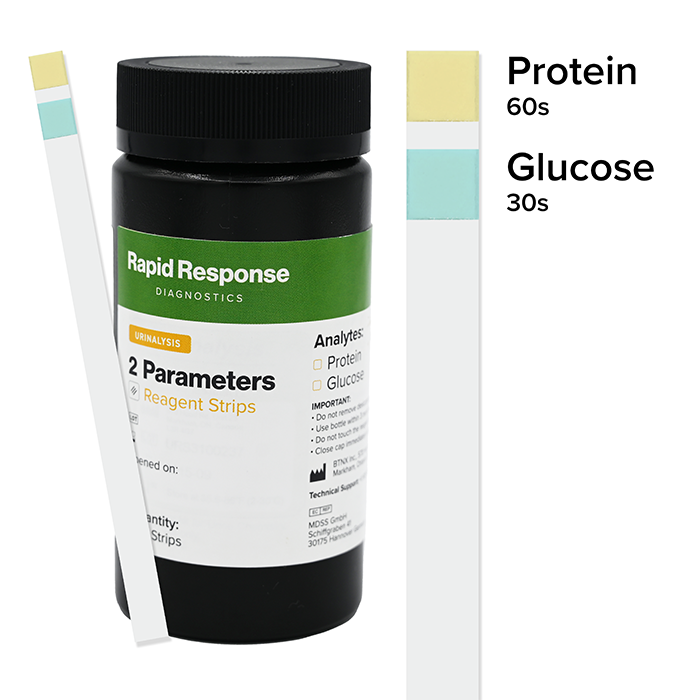
Glucose (GLU) – 30 Seconds
Detects as low as 50–100 mg/dL. Normally, urine contains little or no glucose. Persistent readings may suggest diabetes or a related issue.
Expected result: Negative
Bilirubin (BIL) – 30 Seconds
Detects as low as 0.4–1.0 mg/dL. Bilirubin is not normally found in urine. Any detectable amount should be further evaluated.
Expected result: Negative
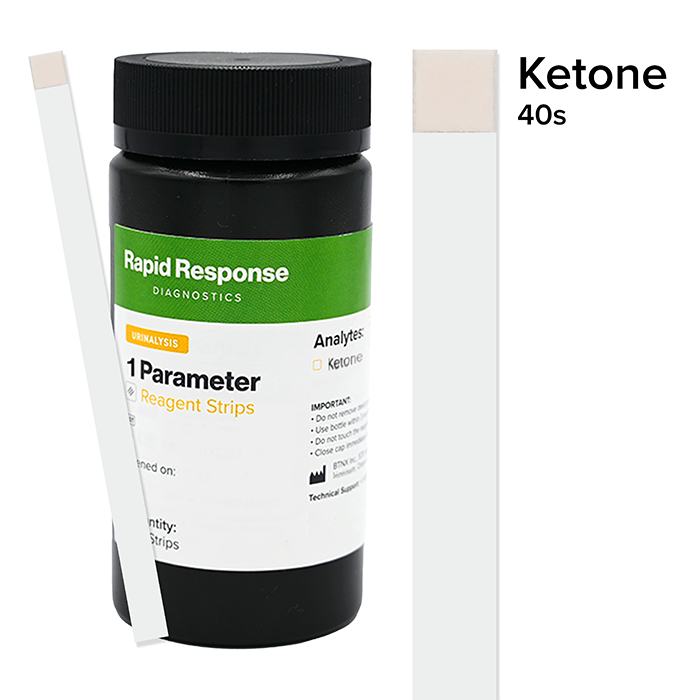
Ketone (KET) – 40 Seconds
Detects acetoacetic acid starting at 2.5 mg/dL. Ketones may appear due to fasting, low-carb diets, pregnancy, or metabolic stress.
Expected result: Negative
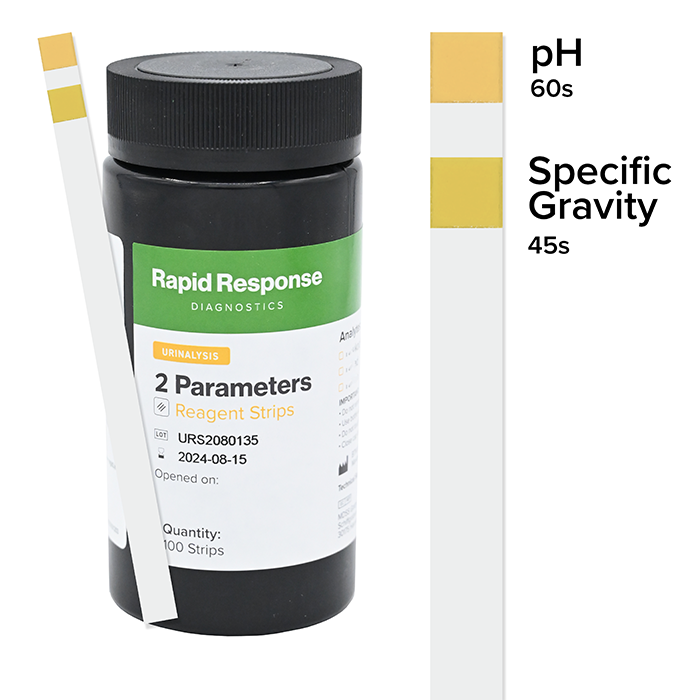
Specific Gravity (SG) – 45 Seconds
Measures between 1.000 and 1.030. Indicates urine concentration and hydration level. Severe kidney damage may cause fixed readings.
Expected range: 1.020 to 1.030 for healthy adults
Blood (BLO) – 60 Seconds
Detects free hemoglobin at 0.018–0.060 mg/dL or 5–10 Ery/μL. Small traces may be insignificant, but a persistent presence requires clinical evaluation.
Expected result: Negative
pH – 60 Seconds
Measures urinary pH from 5–9. Varies by diet, hydration, and health status. Newborns typically have slightly more acidic urine.
Expected range: pH 4.5 to 8.0
Protein (PRO) – 60 Seconds
Detects albumin from 7.5–15 mg/dL. Slight protein levels may be normal, but higher levels often suggest kidney filtration issues.
Expected result: Negative to trace
Urobilinogen (URO) – 60 Seconds
Detects levels between 0.2–1.0 mg/dL. Found normally in small amounts; elevated results can point to liver or blood disorders.
Expected result: Less than 17 µmol/L
Nitrite (NIT) – 60 Seconds
Detects sodium nitrite at 0.05–0.1 mg/dL. A positive result may suggest bacterial activity, especially in samples held in the bladder for a few hours.
Expected result: Negative
Leukocytes (LEU) – 120 Seconds
Detects 9–15 white blood cells per μL. Suggests infection or inflammation in the urinary tract. Trace readings should be rechecked.
Expected result: Negative
Albumin (ALB)
Detects levels as low as 10 mg/mL. Microalbuminuria (20–200 mg/L) may be an early sign of kidney damage. Higher values indicate more advanced conditions.
Expected result: Below 20 mg/L
Creatinine (CRE) – 60 Seconds
Detects from 10 mg/mL upward. Measured to calculate the albumin-to-creatinine ratio for assessing kidney health.
Normal range: 10–300 mg/dL
Albumin-to-Creatinine Ratio (ACR)
Used to assess kidney function:
-
30–300 mg/g = possible microalbuminuria
-
300 mg/g = clinical albuminuria
These values help monitor long-term changes in kidney performance and can prompt earlier medical intervention when needed.
When a microalbumin or albumin urinalysis test pad turns blue if there is albumin in urine at a constant pH. Results may vary from a pale green to an aqua blue. Normal urine albumin levels are less than 20 mg/L.3 A low level (less than 10 m g/L) will turn the ALB pad white. A result of 20 200 mg/L may signal microalbuminuria. This may suggest early stage kidney disease Results of > 200 mg/L indicate clinical albuminuria. These levels may predict albumin excretion rates of 30 300 mg/24 hrs and >300 mg/24 hrs, respectively.4 Exercise, acute illness and fever, and urinary tract infections may raise urine albumin for a time.
Creatinine is a byproduct of creatinine, primarily used in muscle metabolism. Typically, creatinine is filtered from the body by the kidneys. Creatinine in urine results in a color change from orange through green to blue. A normal urine creatinine level is 10-300 mg/dL. Abnormal low levels of creatinine can indicate kidney disease or other underlying symptoms.
A normal urine albumin to creatinine ratio is less than 30 mg albumin/g creatinine. 30-300 mg/g (abnormal) shows microalbuminuria. Higher than 300 mg/g (high abnormal) shows clinical albuminuria.5
This test is based on azo-coupling reaction of bilirubin with diazotized dichloroaniline in a strongly acidic medium. Varying bilirubin levels will produce a pinkish-tan color proportional to its concentration in urine. In normal urine, no bilirubin is detectable by even the most sensitive methods. Even trace amounts of bilirubin require further investigation. Atypical results (colors different from the negative or positive color blocks shown on the color chart) may indicate that bilirubin-derived bile pigments are present in the urine specimen and are possibly masking the bilirubin reaction.
This test is based on the peroxidase-like activity of hemoglobin which catalyzes the reaction of diisopropylbenzene dihydroperoxide and 3,3’,5,5’-tetramethylbenzidine. The resulting color ranges from light orange to dark green. The significance of a trace results, or a 5 – 10 non-hemolyzed result, varies among patients, and clinical judgment is required for these specimens on an individual basis. Small amounts of blood with a strip result of 1+ hemolyzed, or a 50 Ery/μL non-hemolyzed result, within 60 seconds are sufficiently abnormal to request a further investigation. Blood is often, but not invariably, found in the urine of menstruating females.
This test is based on the enzymatic reaction that occurs between glucose oxidase, peroxidase and chromogen. Glucose is first oxidized to produce gluconic acid and hydrogen peroxide in the presence of glucose oxidase. The hydrogen peroxide reacts with potassium iodide chromogen in the presence of peroxidase. The extent to which the chromogen is oxidized determines the color which is produced, ranging from green to brown. Glucose should not be detected in normal urine. Small amounts of glucose may be excreted by the kidney.6 Glucose concentrations as low as 100 mg/dL may be considered abnormal if results are consistent.
This test is based on ketones reacting with nitroprusside and acetoacetic acid to produce a color change ranging from light pink for negative results to a darker pink or purple color for positive results. Ketones are normally not present in urine. Detectable ketone levels may occur in urine during physiological stress conditions such as fasting, pregnancy and frequent strenuous exercise.7-9 In starvation diets, or in other abnormal carbohydrate metabolism situations, ketones appear in the urine in excessively high concentration before serum ketones are elevated.10
This test is based on a double indicator system which gives a broad range of colors covering the entire urinary pH range. Colors range from orange to yellow and green to blue. The expected range for normal urine specimens from newborns is pH 5-7.12 The expected range for other normal urine specimens is pH 4.5-8, with an average result of pH 6.12
This reaction is based on the phenomenon known as the “protein error” of pH indicators where an indicator that is highly buffered will change color in the presence of proteins (anions) as the indicator releases hydrogen ions to the protein. At a constant pH, the development of any green color is due to the presence of protein. Colors range from yellow to yellow-green for negative results and green to green-blue for positive results. 1-14 mg/dL of protein may be excreted by a normal kidney.13 A color equal to or greater than 30mg/dL indicates significant proteinuria. Clinical judgment is required to evaluate the significance of trace results.
This test is based on a modified Ehrlich reaction between p-diethylaminobenzaldehyde and urobilinogen in strongly acidic medium to produce a pink color. Urobilinogen is one of the major compounds produced in heme synthesis and is a normal substance in urine. The expected range for normal urine with this test is 0.2-1.0 mg/dL (3.5-17 µmol/L).11 A result of 2.0 mg/dL (35 µmol/L) may be of clinical significance, and the patient specimen should be further evaluated.
This test depends upon the conversion of nitrate to nitrite by the action of gram-negative bacteria in the urine. In an acidic medium, nitrite in the urine reacts with p-arsanilic acid to form a diazonium compound. The diazonium compound in turn couples with 1 N-(1-naphthyl) ethylenediamine to produce a pink color. Nitrite is not detectable in normal urine.9 The nitrite area will be positive in some cases of infection, depending on how long the urine specimens were retained in the bladder prior to collection. Retrieval of positive cases with the nitrite test ranges from as low as 40% in cases where little bladder incubation occurred, to as high as approximately 80% in cases where bladder incubation took place for at least 4 hours.
This test reveals the presence of granulocyte esterases. The esterases cleave a derivatized pyrazole amino acid ester to liberate derivatized hydroxy pyrazole. This pyrazole then reacts with a diazonium salt to produce a beige-pink to purple color. Normal urine specimens generally yield negative results. Trace results may be of questionable clinical significance. When trace results occur, it is recommended to retest using a fresh specimen from the same patient. Repeated trace and positive results are of clinical significance.
A urine analyzer is a device that automatically examines urine test strips. It uses reflectance photometry to interpret the colour changes on the strip and provides a quantitative or semi-qualitative result.
The Rapid Response U121S Urine Analyzer is an efficient and accurate tool for interpreting Rapid Response Urinalysis Reagent Strips results. With the ability to read, store, and print results in under two minutes, the U121S Urine Analyzer improves workflow efficiency while reducing the chance of human error.
Yes, urinalysis can detect white blood cells or nitrites, which are indicative of UTIs.